Visit the National Palace & Pena Park
in Sintra
- UNESCO World Heritage Site since 1995
- 200-hectare park in the heart of the Sintra mountains
- View current availability
- Ticket delivered immediately after validation
- Mobile ticket accepted
- Non-refundable ticket under the listed conditions
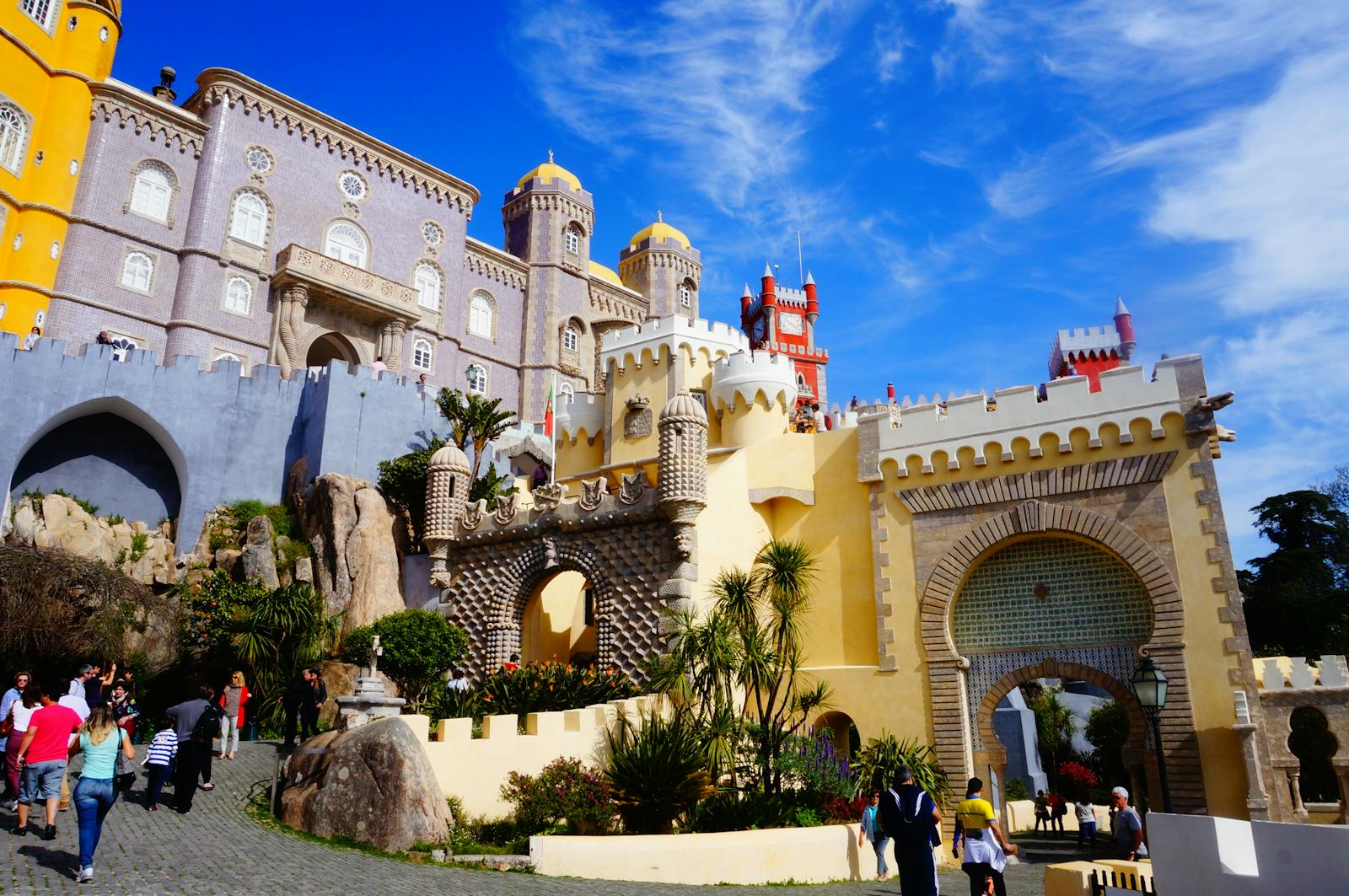
Dominating Sintra, the Pena Palace combines German Romanticism with Moorish exuberance in a striking red and yellow contrast. Discover this UNESCO-listed architectural folly, designed by Ferdinand II for his queen Maria II.
Ticket options
Prices and conditions

National Palace of Pena & Park: Entry Ticket
From 22,40 €.
Visit this historic fairy-tale castle and walk around the gardens.

Pena Palace + Quinta da Regaleira
From 47,50 €.
Explore the best of Sintra with tickets to two iconic sites.

Sintra, Pena Palace, Cabo da Roca, Cascais & Estoril: Day Trip from Lisbon
From 78 €.
Visit a colorful palace and walk along beautiful coastal cliffs.

National Palace of Pena & Park: Guided Tour
From 75 €.
See intricate decor and learn about this site's history.

Sintra, Pena Palace, Cascais & Belém: Small Group Guided Tour
From 78 €.
Explore historic sites like the Pena Palace and Jerónimos Monastery in Lisbon!.

National Palace of Pena & Park: Theatrical Visit
From 95 €.
Follow in the steps of the Queen, a Red Cross nurse who championed the arts.

Palais National & Parc de Pena : Visite guidée
From 41 €.
Visite guidée du Palais et du Parc de Pena.
What visitors say
Thousands of visitors have already booked their visit: reviews and testimonials
★ 4.3/5 · 12 reviews collected directly from visitors and moderated by Visit Tickets
"We visited the Pena Palace with our children in July. The red and yellow facade is even more beautiful than in the photos. We took the iconic photo before entering, as advised. The 200-hectare park is hilly, comfortable shoes are a must. A magical experience for the whole family."
"The architecture is fascinating, a true cocktail of styles conceived by Ferdinand II. I loved the Arab Room with its frescoes inspired by the Alhambra. However, the queues are long and the narrow corridors make moving around difficult. Allow time to enjoy the views over the Tagus from the balconies."
"A must-see in Sintra! The contrast between German romanticism and Moorish motifs is striking. We visited the Ballroom with its Prussian stained glass, very elegant. The Manueline cloister is an authentic remnant of the original monastery. The panoramic view of the Atlantic from the summit is unforgettable, all for just 12 euros for this total immersion."
"The Tuk-Tuk ride up is a good idea to avoid fatigue. The palace itself is superb, especially the Arc of Triton in the inner courtyard. The park deserves a large part of the day, there is a lot of walking to do. The entry time slots are strict; we nearly got turned away for being 5 minutes late! Make sure to arrive right on time."
"As a solo visitor, I was able to fully enjoy the lush gardens of the park without pressure. The Arab Room transported me; the geometric details are incredible. It is a UNESCO site and you can feel it. The view over the Tagus estuary offers a unique perspective on the region. A place that masterfully blends history and art, I highly recommend this site."
"A very beautiful palace, but the crowds can spoil the experience. We were in the narrow corridors with a lot of people, making it hard to linger in the Ballroom. Fortunately, the interiors are really well preserved. The 12-euro price is reasonable compared to other sites. Take time to photograph the facade before entering; it is the most photogenic entrance."
"We booked the Palace + Park ticket in advance, a good decision to avoid long lines. The construction took 40 years and you can feel the effort. The cloister is magnificent, a typical maritime style. The Queen's terrace offers an unobstructed view. The staff is polite but the schedules are strict; be punctual to fully enjoy it."
"The architecture is a masterpiece, a mix of 5 distinct styles. The Arab Room is a true gem. The park is large and hilly; you need strong legs. Access from the station is difficult; we took a Tuk-Tuk for the climb up. The price is a bit high but justified by the beauty of the place and the legacy of Ferdinand II."
"A very romantic visit as a couple. The park is ideal for a walk; the trails are well marked. The palace offers a superb view of the Atlantic coast. We visited the Arc of Triton, which is very detailed. The red facade is iconic. A site that deserves its place on the World Heritage list; an immersive and visual experience."
"The Pena Palace is impressive, especially the Ballroom with its stained glass. The park is vast, 200 hectares; you need to allow half a day. Comfortable shoes are essential as the terrain is uneven. The views over the Tagus are superb. The atmosphere is a bit crowded at peak times, but the quality of the place compensates."
"We visited the site as a group with friends. The facade is a real spectacle. The Manueline cloister is a rare and well-preserved remnant of the monastery. The gardens offer many photo spots. The route is physically demanding, but the final view of the estuary is worth it. A one-of-a-kind site in the world; absolutely a must-see."
"The palace is superb, but accessibility can be complicated without a car. The Arab Room is a highlight, with its complex patterns. The park is very pleasant for a stroll. The 12-euro fee is a bit expensive for the park alone, but the combined ticket is reasonable. The panoramic views are the best souvenir of our trip to Sintra."
Practical info
Everything you need to plan your visit
Address
2710-477 Sintra, Portugal
Lisboa
Sintra · Access: Bus 434 from Sintra (Pena stop) or panoramic elevators. Limited parking at the summit.
Opening Hours
Open every day except some public holidays. Hours vary by season: check strict time slots before your visit.
Prices
Pena Park in Sintra: Entry Ticket : From 12 €
Pena Palace + Quinta da Regaleira : From 47,50 €
Sintra, Pena Palace, Cabo da Roca, Cascais & Estoril: Day Trip from Lisbon : From 78 €
National Palace of Pena & Park: Guided Tour : From 75 €
Sintra, Pena Palace, Cascais & Belém: Small Group Guided Tour : From 78 €
National Palace of Pena & Park: Theatrical Visit : From 95 €
Palais National & Parc de Pena : Visite guidée : From 41 €
Show more ▾
Free for children under 13. Senior discount. .
Visit Duration
Photos
Audience
Accessibility
PMR
Limited access due to stairs and slope; prior consultation recommended.
Family
Hilly park difficult for strollers; suitable for walking children.
Audio guide
French, English, Spanish
Weather in Sintra
Current conditions and forecast to plan your visit
Discover National Palace & Pena Park
The Pena Palace: A Historical Fairy Tale
From medieval ruins to Ferdinand II's romantic jewel
1839
Purchase of the ruins by Ferdinand II
1885
End of construction works
1995
UNESCO World Heritage inscription
200 ha
Surrounding park area
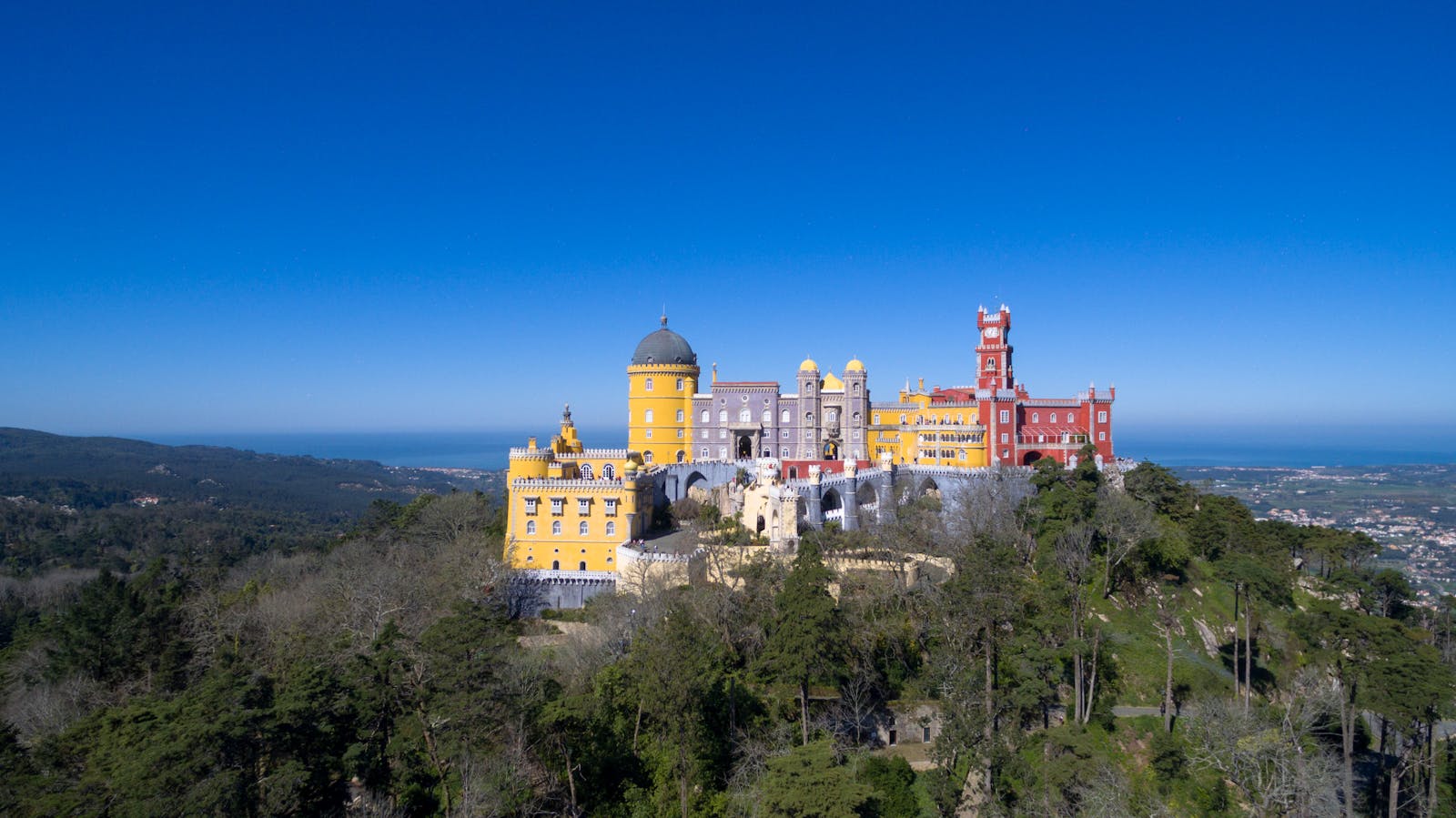
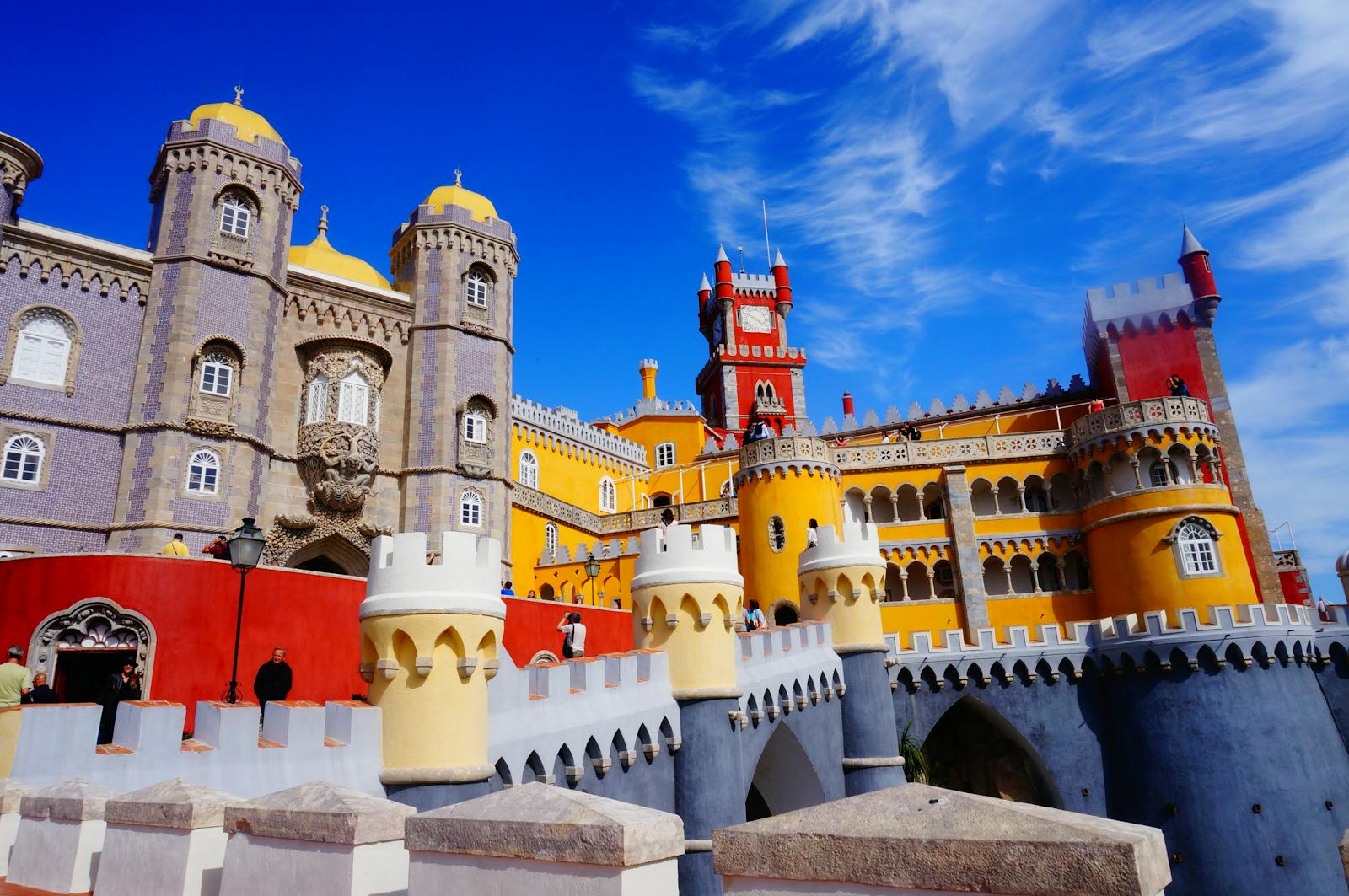
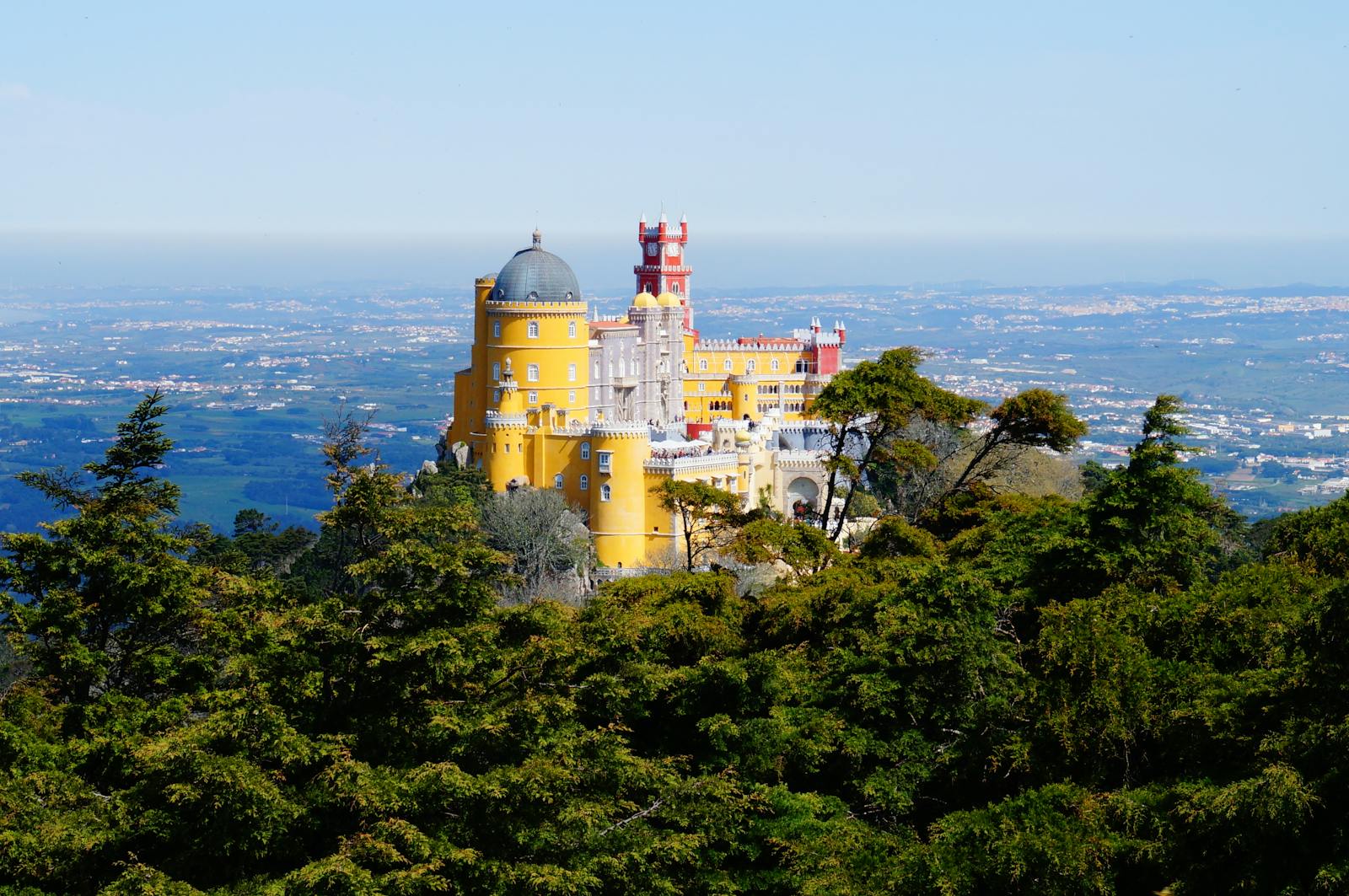
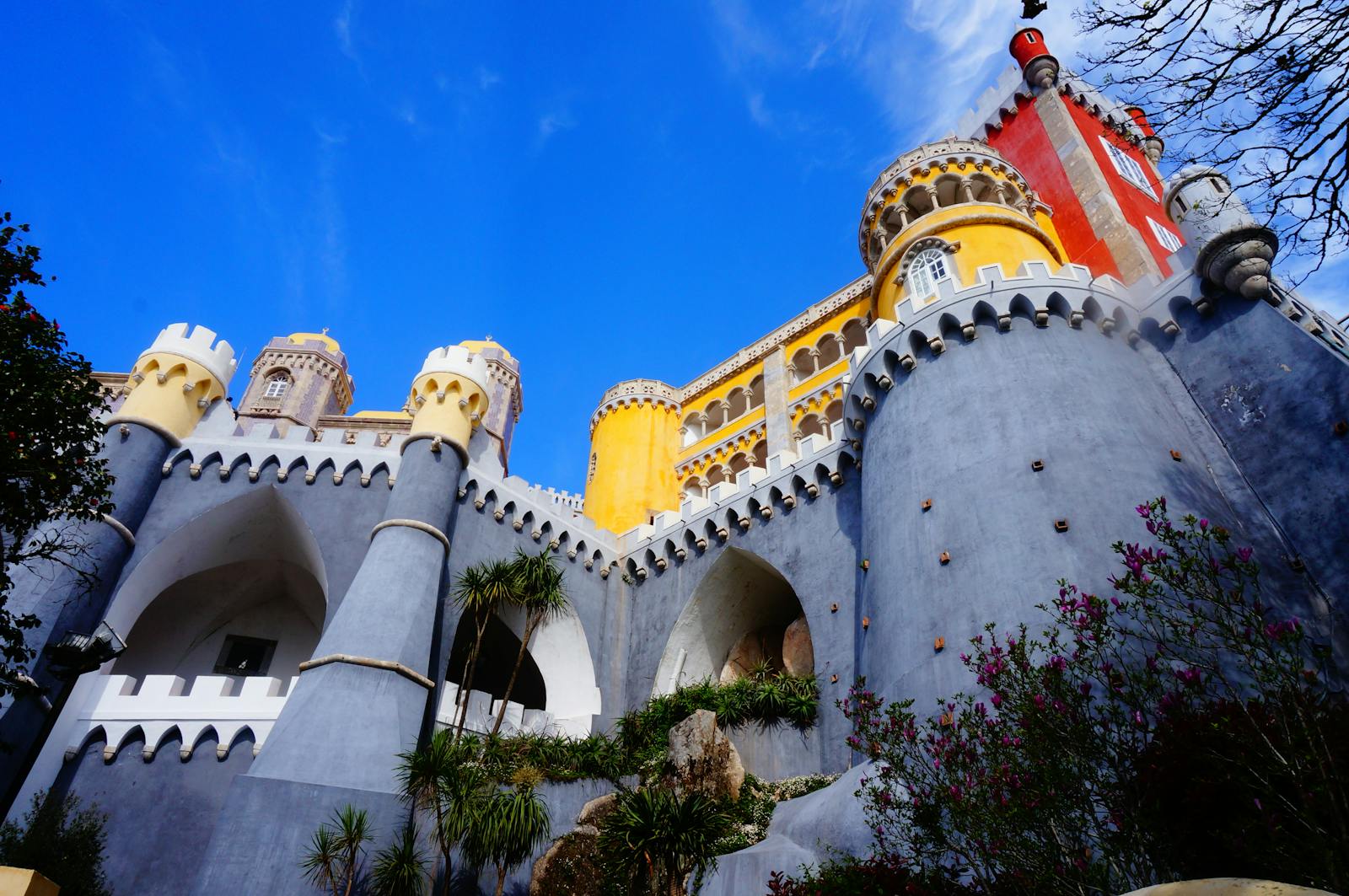
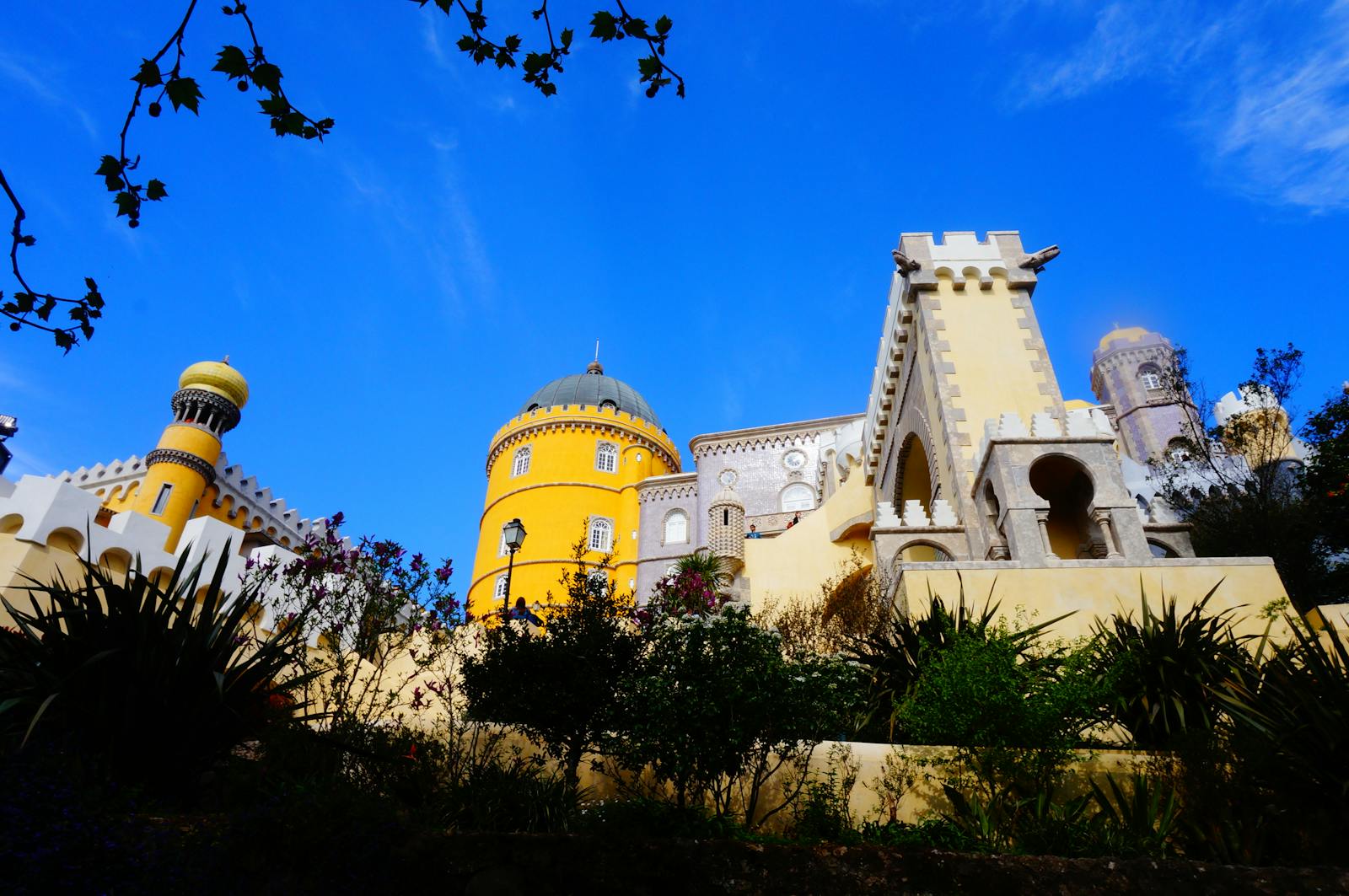
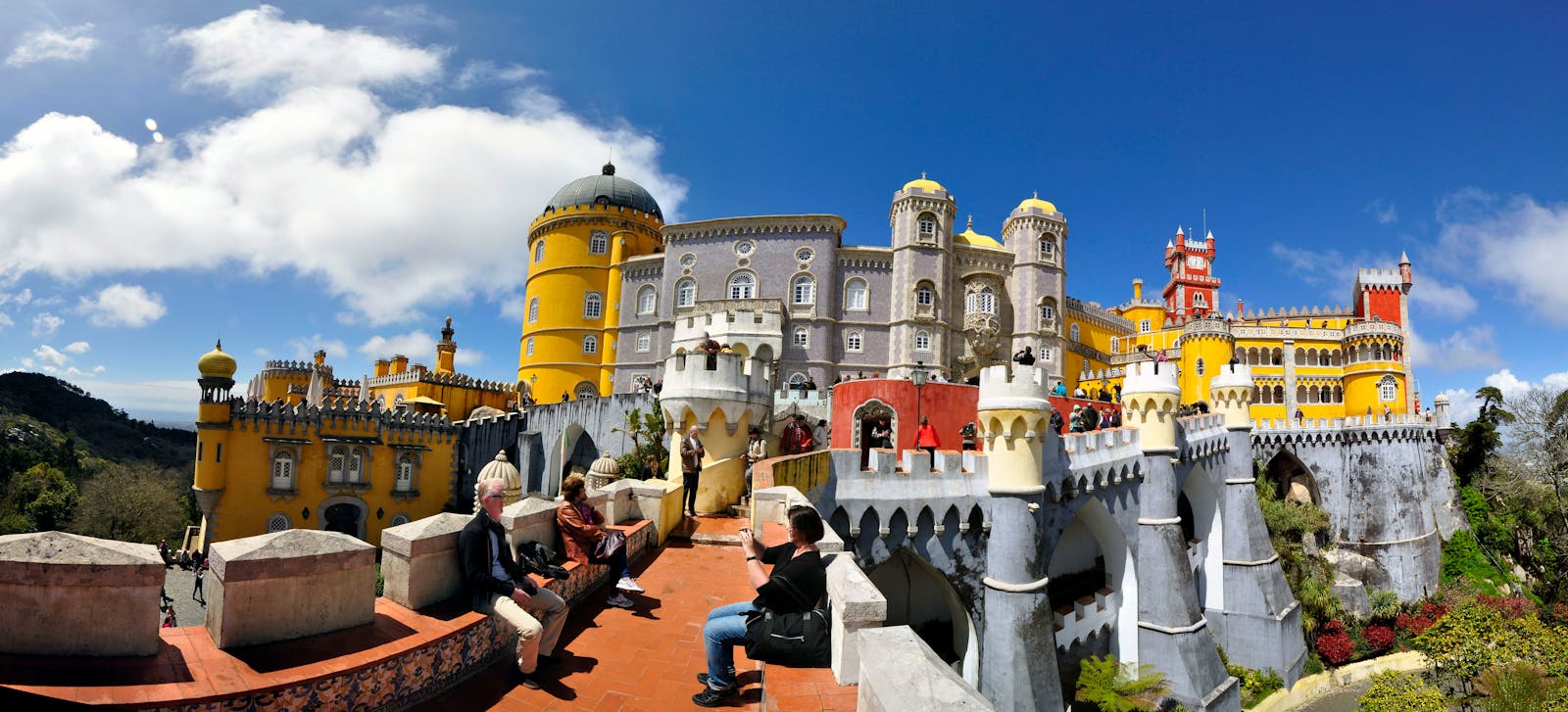
Perched on the hills of Sintra, the Pena National Palace embodies 19th-century romanticism with its vivid red and yellow facades. Built by King Ferdinand II starting in 1839, this building harmoniously blends Gothic, Moorish, and Renaissance styles. Listed as a UNESCO World Heritage Site in 1995, it offers breathtaking views of the Tagus estuary and stands as one of the major symbols of Portuguese architecture.
History of the Pena Palace
The genesis of this palace dates back to 1839, when the German Prince Ferdinand II purchased the ruins of an old Hieronymite monastery. Husband to Queen Maria II and founder of the third House of Braganza, he wished to create a unique summer residence. He entrusted the transformation of these remains to Baron Ludwig von Eschwege, marking the beginning of an exceptional architectural adventure.
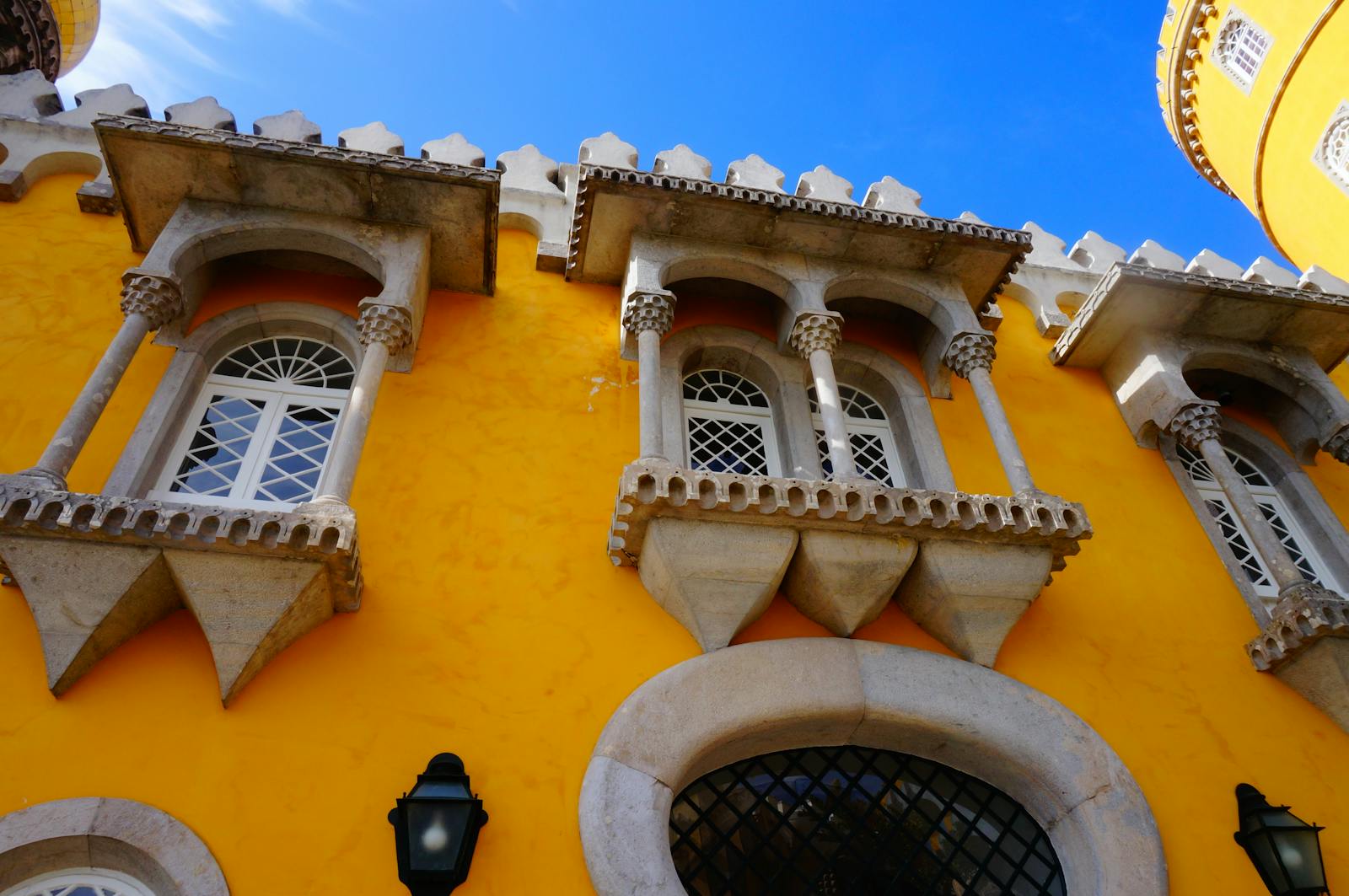
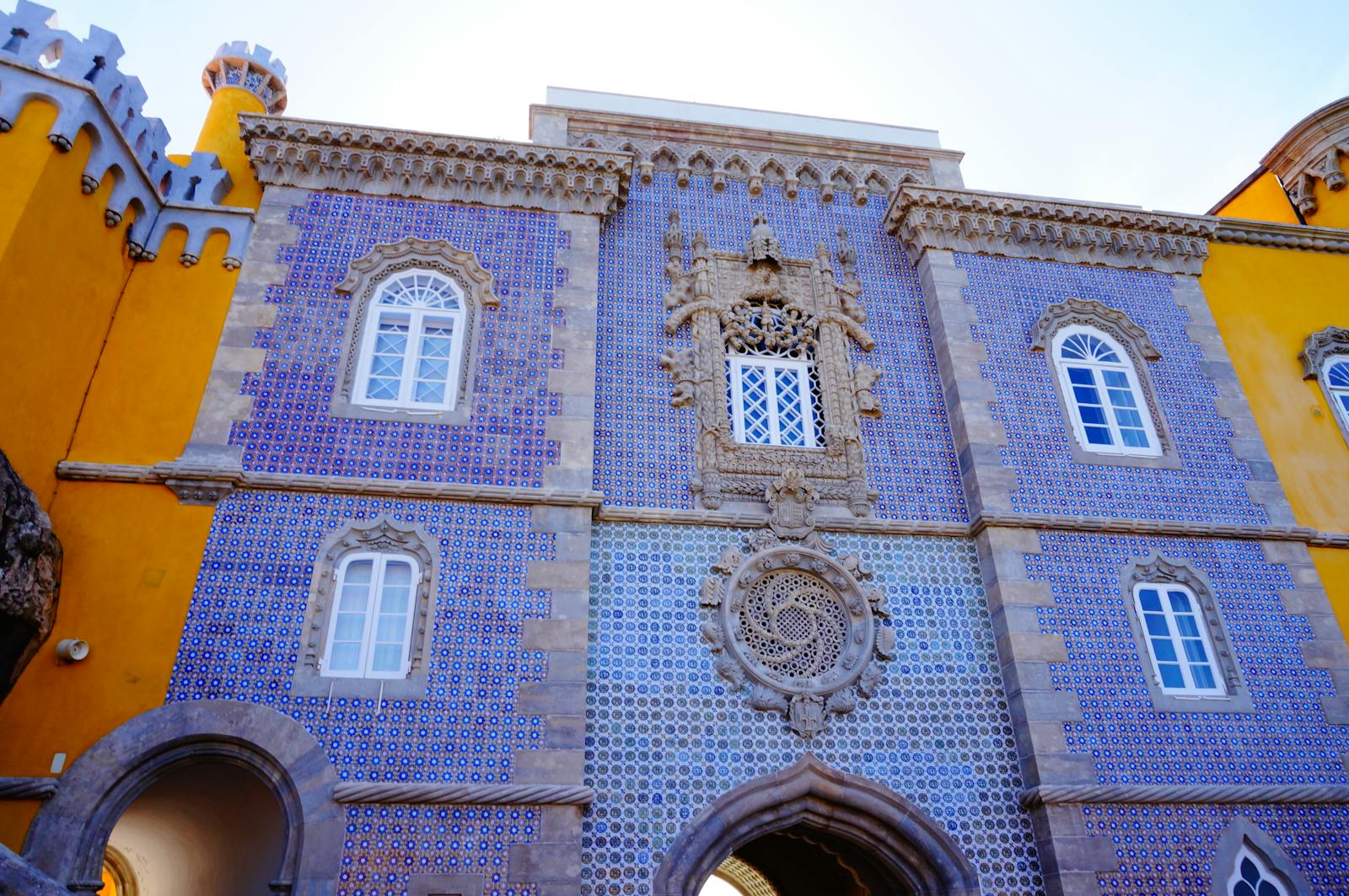
Under the direction of von Eschwege, the construction site became a true stylistic cocktail. The architect integrated five distinct styles: Moorish, Baroque, Gothic, Renaissance, and Manueline. This visual exuberance responded to the king's desire to fuse his German cultural heritage with the Eastern influences he admired. The result is a colorful building, a true romantic folly in the heart of the mountains.
Construction spanned several decades, not finishing until 1885, after the sovereign's death in 1853. Following the proclamation of the Republic in 1910, the palace became state property. Fortunately, its integrity was preserved and opened to the public, allowing visitors today to discover this masterpiece of Portuguese heritage.
What to see at the Pena Palace
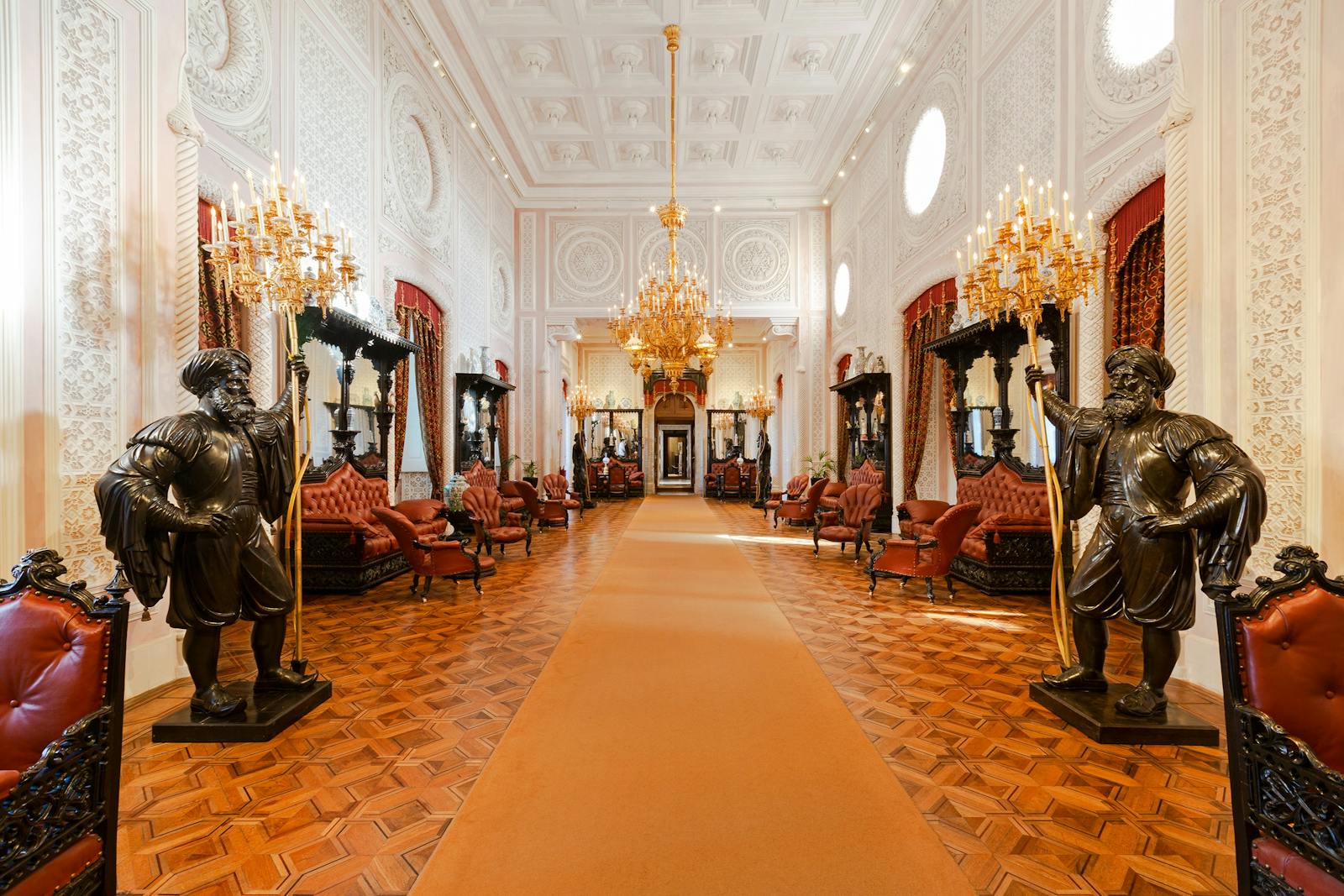
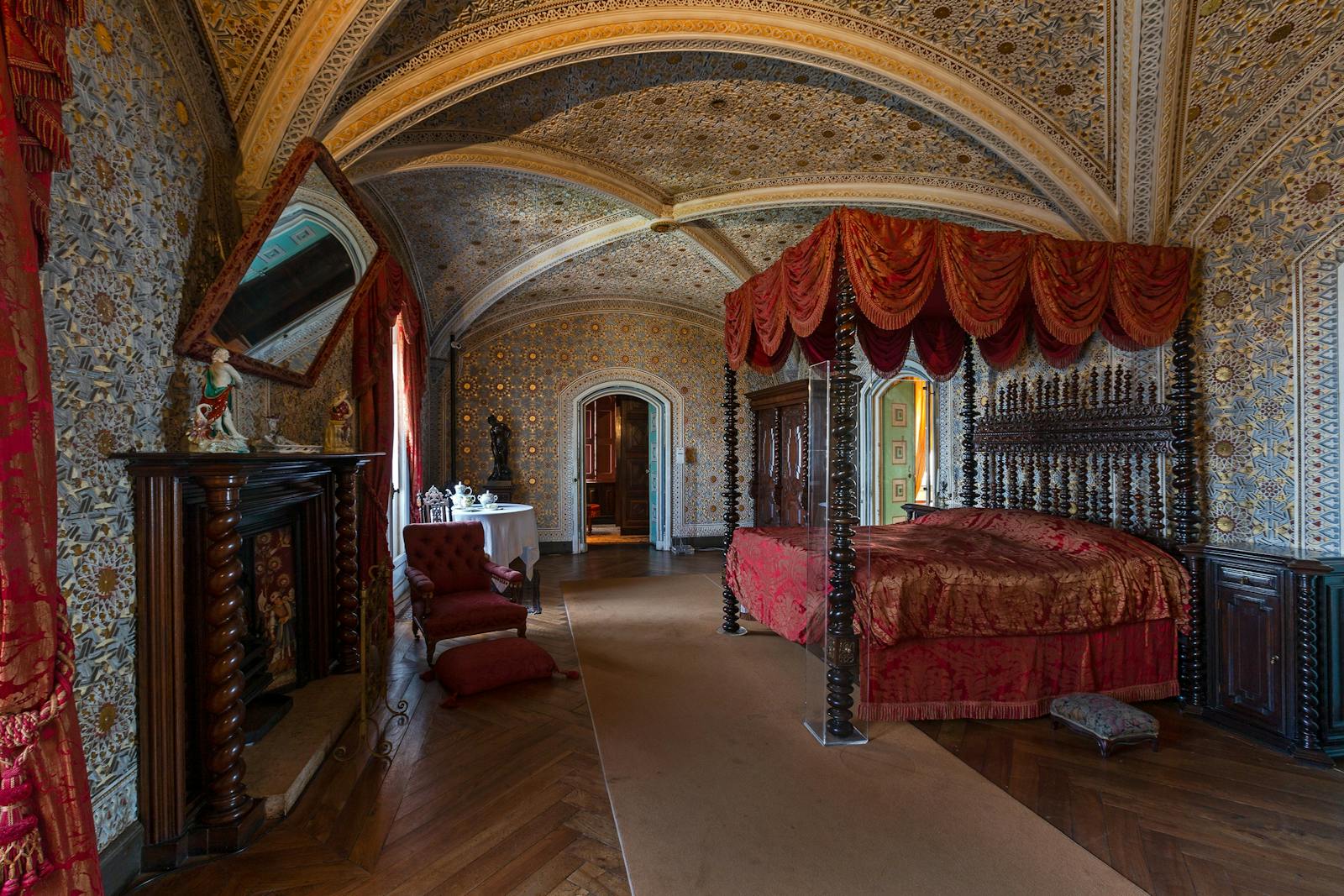
Inside, each room tells a different story. The Arab Room impresses with its frescoes and ornaments inspired by the Orient, creating a mysterious and refined atmosphere. Conversely, the Ballroom offers a bold mix between Oriental decorative elements and Prussian stained glass, perfectly illustrating Ferdinand II's eclectic taste for decorative arts and neo-romantic exuberance.
The exterior spaces are just as remarkable as the interiors. The balconies offer spectacular panoramic views of the Atlantic coast and the Tagus estuary, providing an ideal setting for photography. In the inner courtyard, look for the Triton Arch, decorated with neo-Manueline and neo-romantic details, which serves as an elegant transition between the various gardens and wings of the palace.
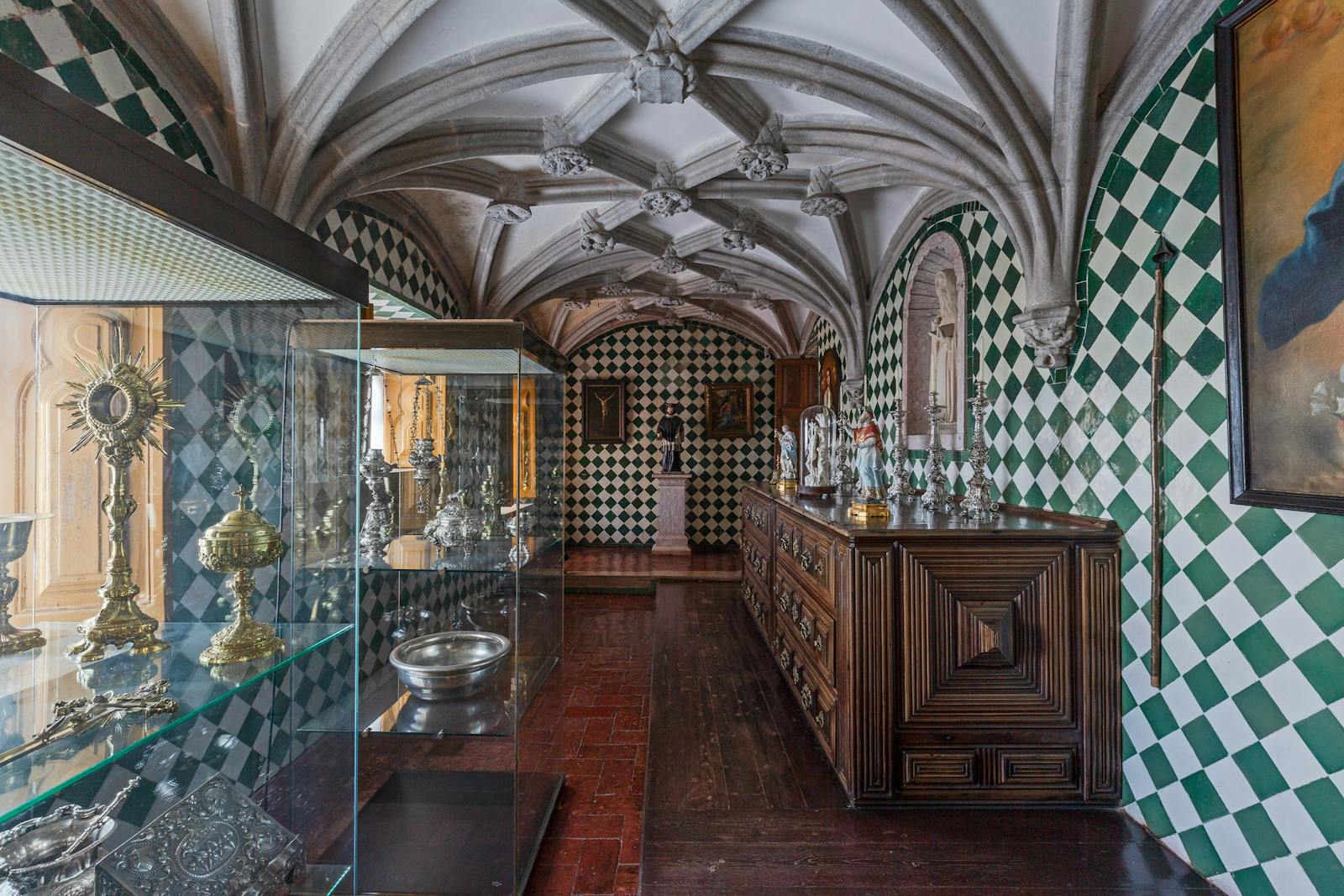
Do not miss the Manueline Cloister and the chapel, direct vestiges of the 15th-century former monastery. These structures retain late Portuguese Gothic style, contrasting with the rest of the more recent building. This temporal mix allows visitors to understand the architectural evolution of the site, from its religious origins to its royal transformation.
Visiting the Park and Surroundings
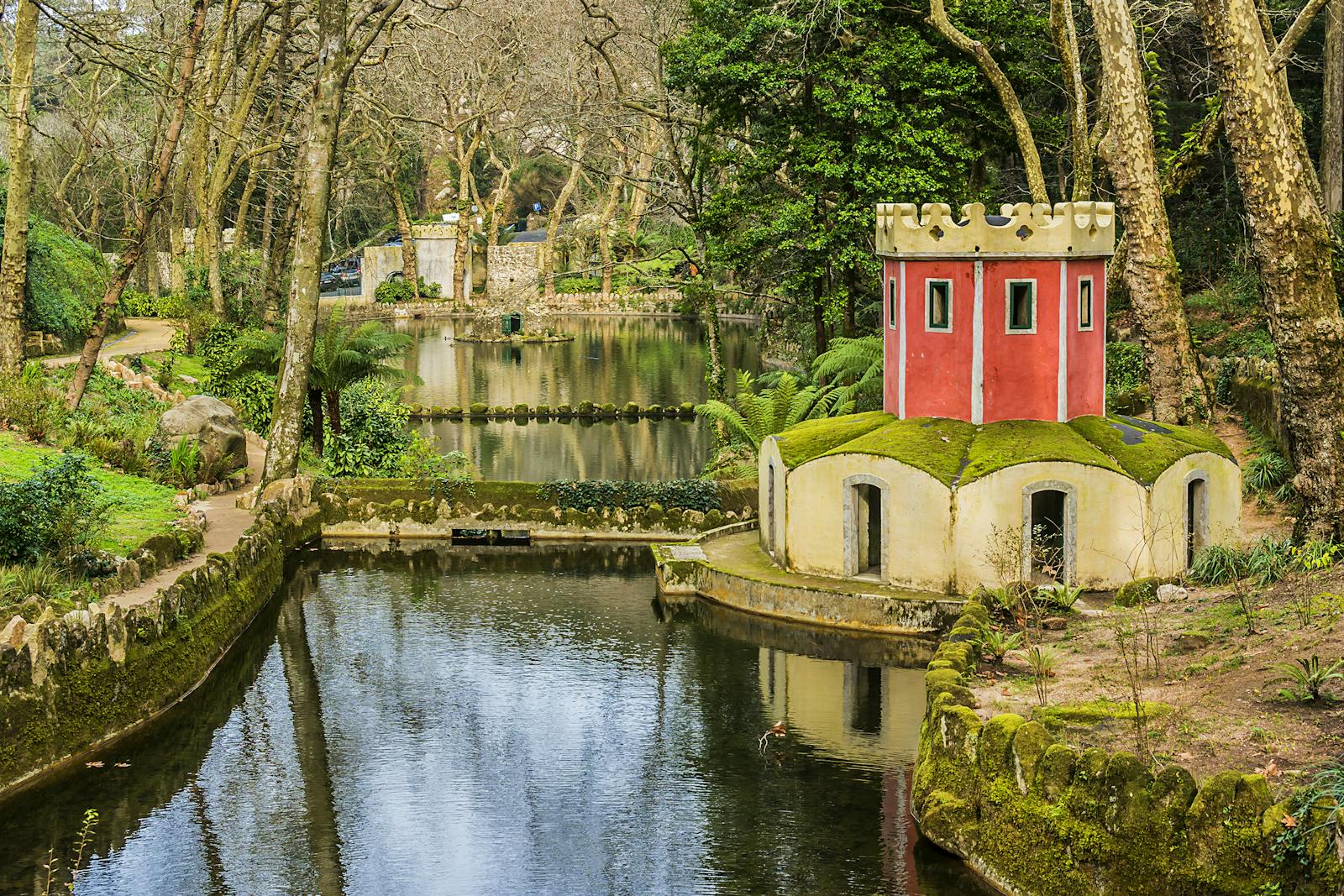
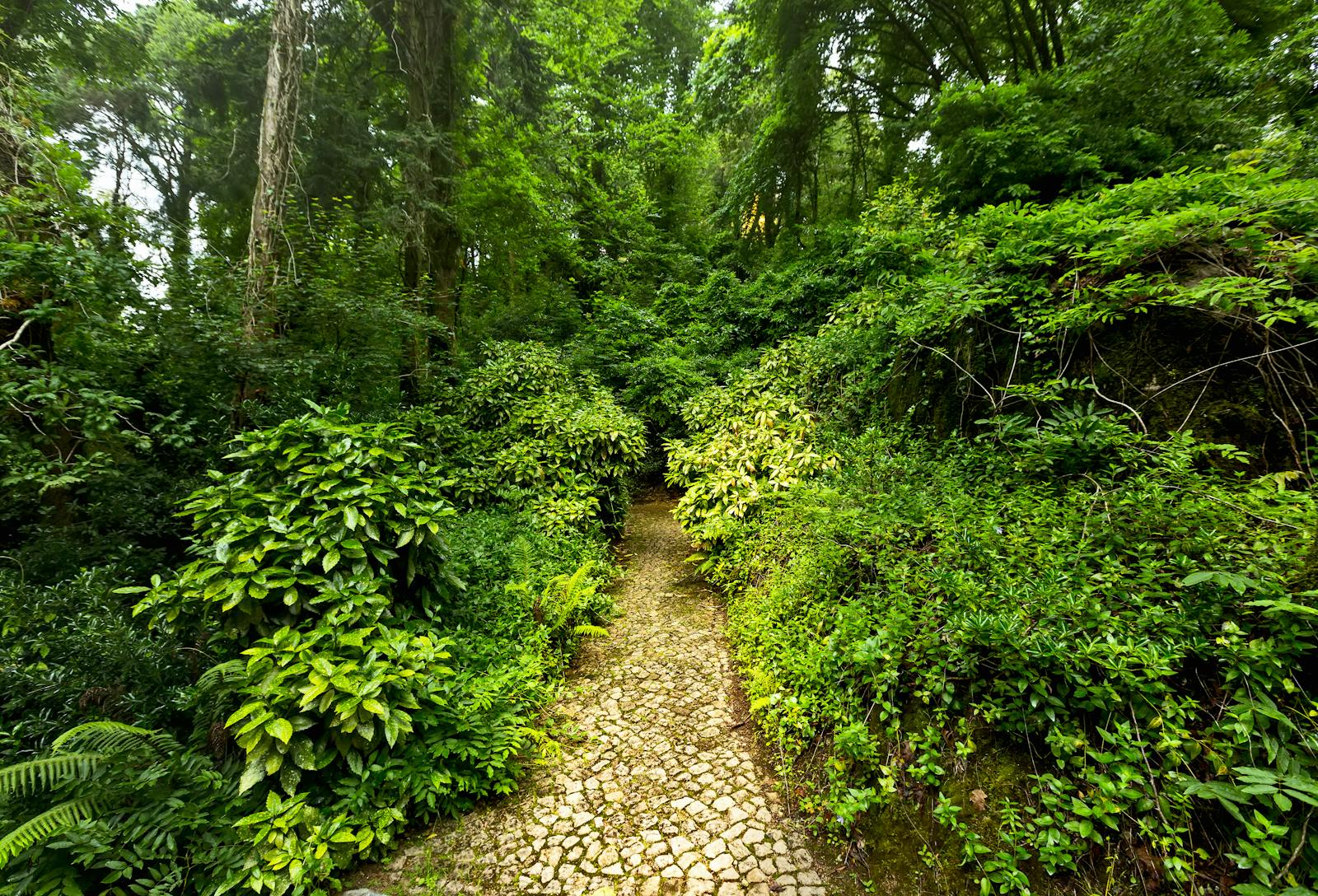
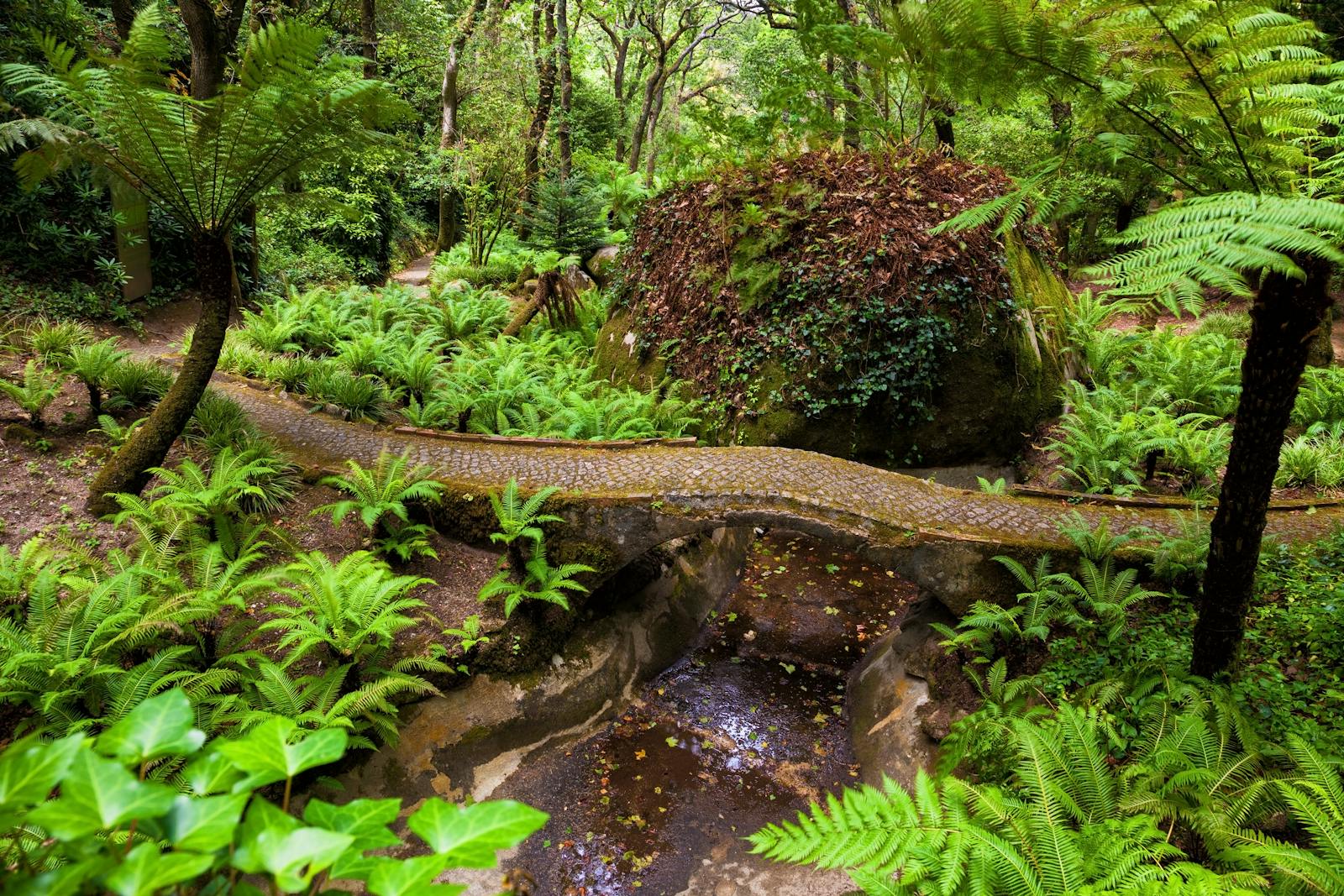
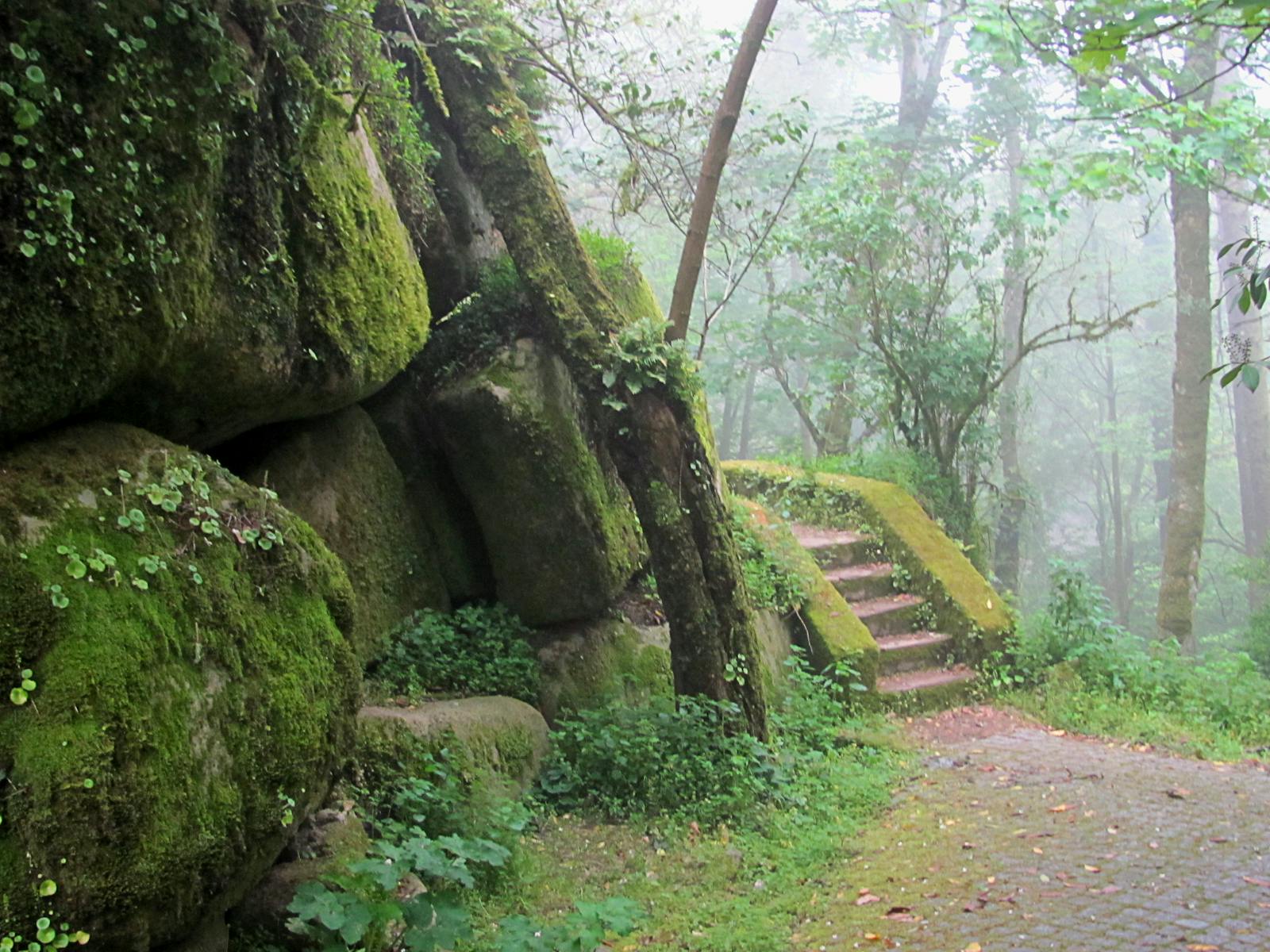
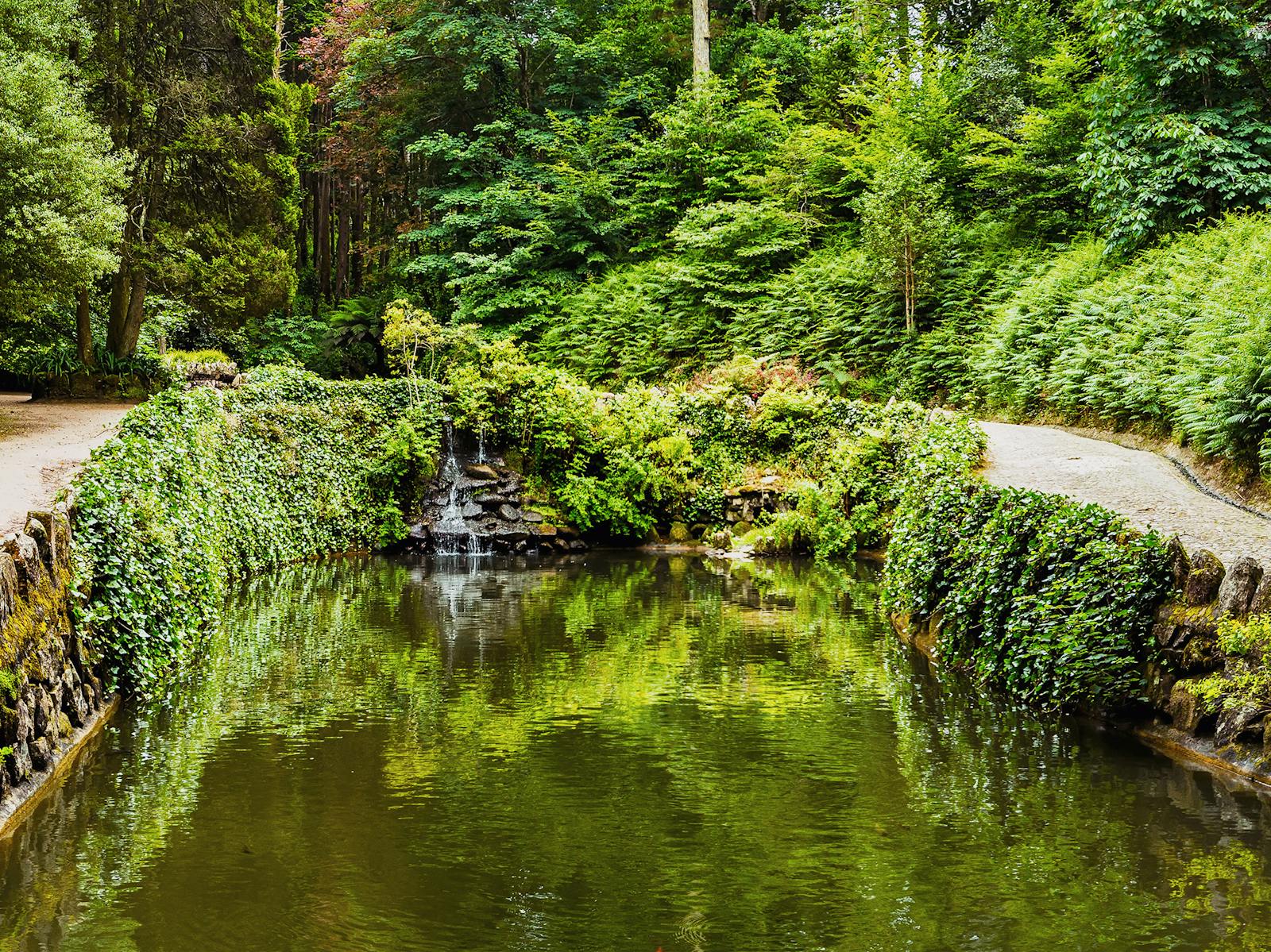
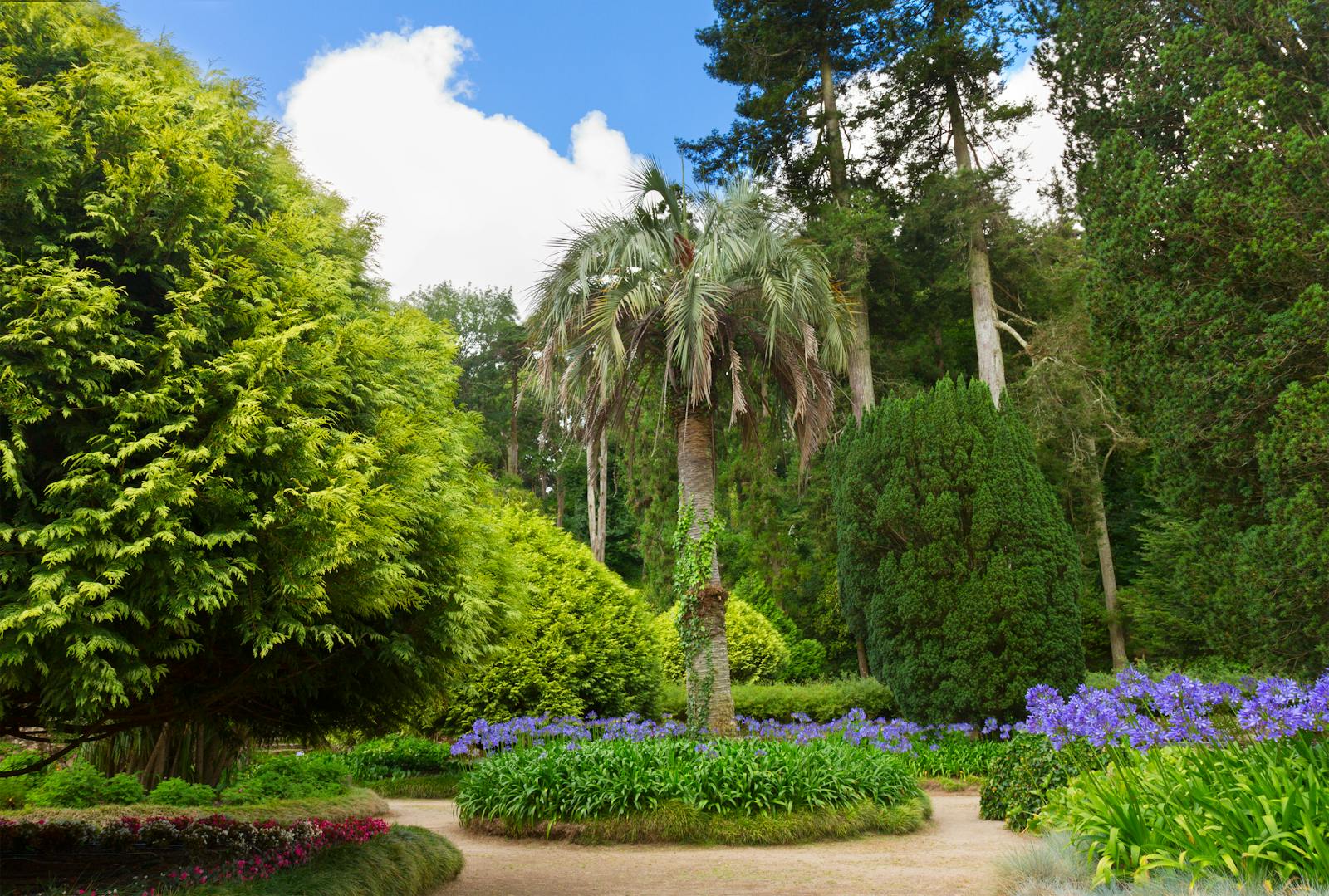
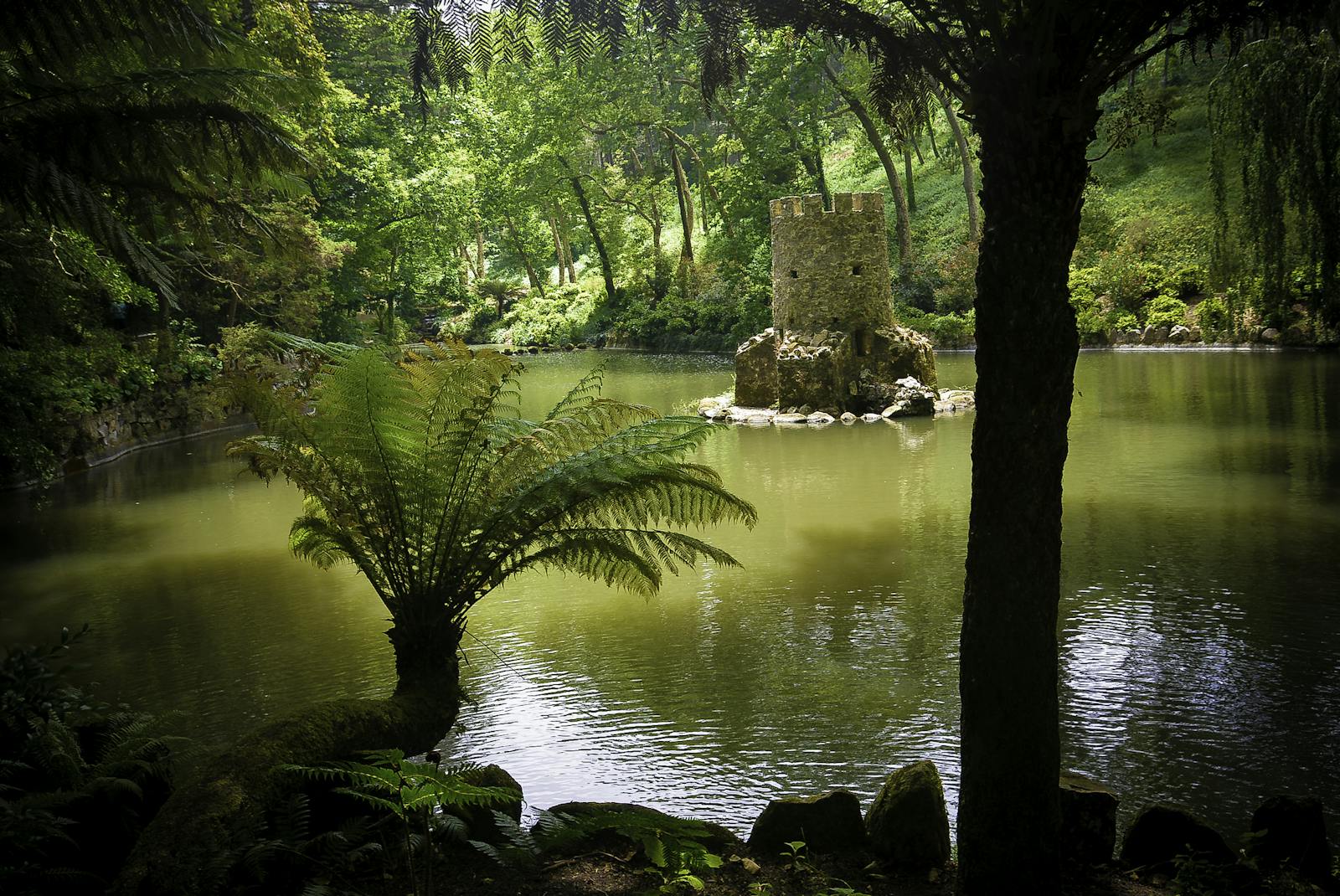
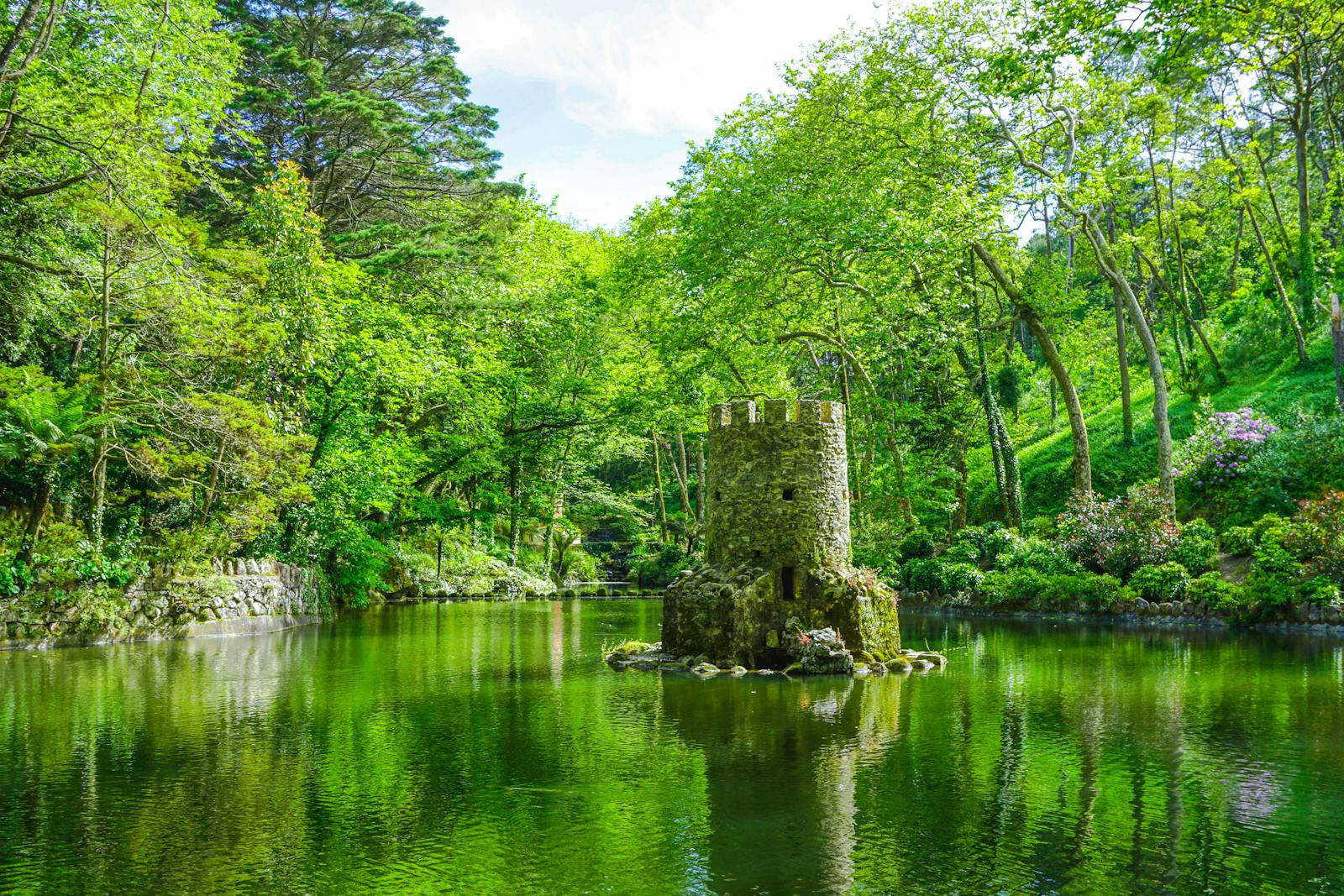
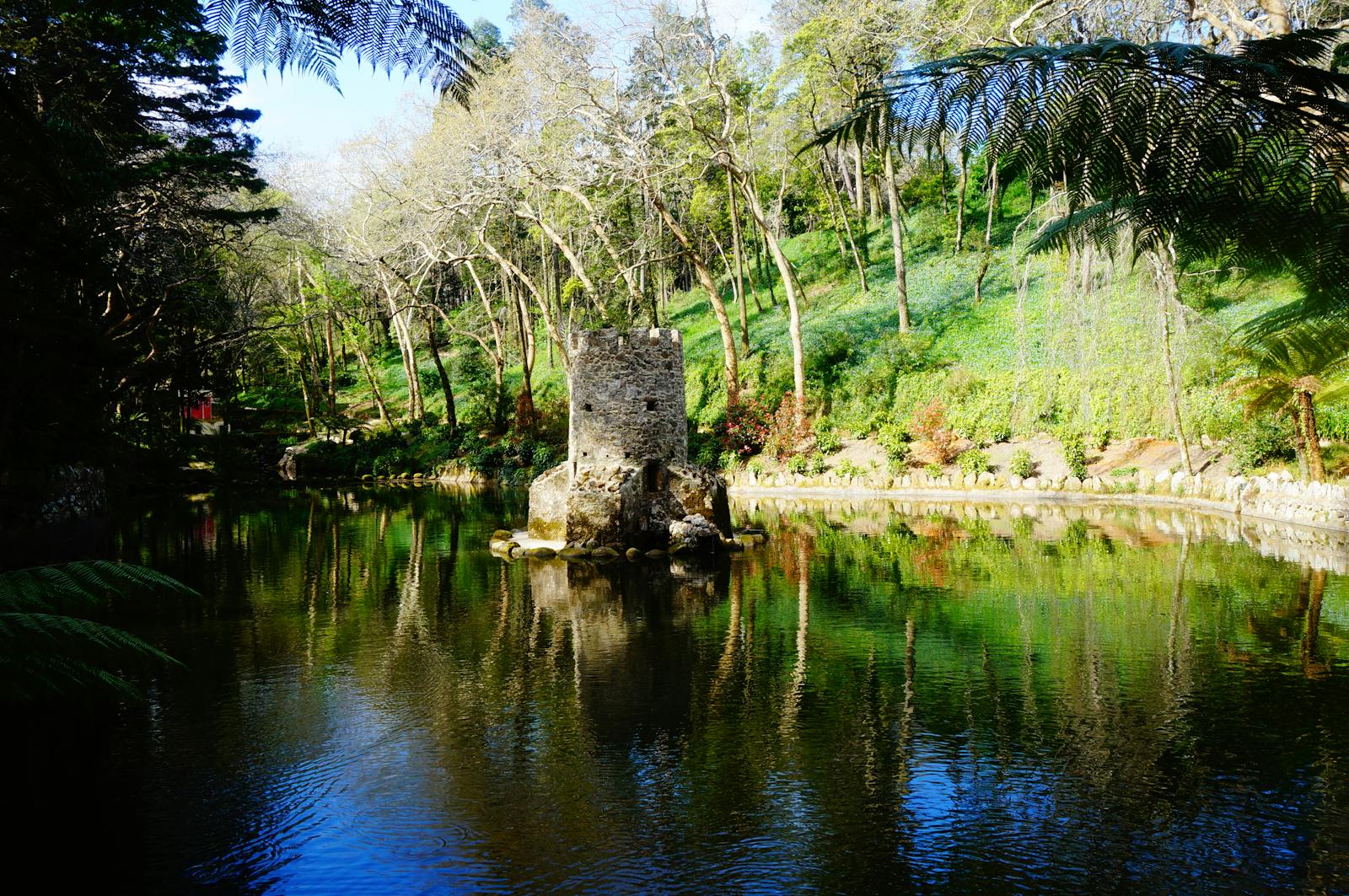
The Pena Palace is surrounded by a vast 200-hectare park, a true wild botanical garden. This natural space protects the building and offers shaded walking paths under varied tree species. Although there is no specific zoo, local wildlife and lush vegetation create a peaceful ambiance, ideal for a relaxing break after visiting the palace and its vivid colors.
To reach the summit from Sintra, several options are available to visitors. You can take local buses that go up the hill, or choose to walk up to fully enjoy the surrounding nature. Plan your return carefully, as transport can be saturated during peak hours, making the descent sometimes long and tedious.
The best photos are often taken from the palace balconies or facing the exterior facade. The red and yellow colors of the building stand out particularly well in natural light, especially at the end of the day. Remember to look towards the Tagus from high points, as suggested by cultural guides, to capture the extent of the Portuguese coastal landscape.
What awaits you
Neo-Romantic architecture and historical treasures
Tips for visiting the National Palace & Pena Park
Insider tips
Arrive at the exact time
Entry slots are strict and rigorously enforced by staff. Being late often means being denied immediate access, even if you bought your tickets online. Plan to arrive at least 15 minutes before the time indicated on your ticket to avoid unnecessary stress.
Facade photo
Take the iconic photo just before entering, facing the red and yellow building. Natural light highlights the unique chromatic contrasts that make the site world-famous. Position yourself slightly downhill to capture the majesty of the dominant towers overlooking the lush park.
Comfortable shoes
The park is hilly and spans 200 hectares, requiring good physical fitness. Bring suitable shoes with good grip, as paths can be slippery after rain. A pair of sturdy sneakers will allow you to explore secondary trails without risk of injury.
Look towards the Tagus
Use the balconies to enjoy the panoramic view of the estuary mentioned in Wikipedia. It is one of the few places where you can clearly see the maritime horizon from Sintra. Take time to spot distant boats to anchor your experience in the actual geographical context of the site.
Admire the Arab Hall
Take time to observe the frescoes and ornaments inspired by the Orient. The complex geometric details testify to the deep Moorish influence integrated by Ferdinand II. This room is a perfect example of the cultural fusion that defines the Neo-Romantic architecture of Sintra.
Explore the cloister
Don't miss the Manueline style of the cloister and chapel, remnants of the old monastery. These historical elements predate the current palace and offer a valuable temporal perspective. Their sobriety admirably contrasts with the exuberance of the adjacent rooms built later.
Anticipate the return
Allow time to descend back to Sintra, as transport can be saturated. Public buses often queue up outside the palace at the end of the day. Consider walking to the main stop if you're in a hurry, or book a taxi in advance to ensure a quick departure.
Spot the Triton Arch
Identify this specific architectural element in the inner courtyard upon entry. Its Neo-Manueline decor is often missed by hurried visitors. Photograph it to illustrate the richness of the sculptural details scattered throughout every corner of this exceptional royal estate.
Ready to book?
Choose your tickets online and check their conditions before booking.
Book my ticketsDid you know?
Little-known anecdotes
A patron king, not an architect
In 1839, Ferdinand II, a German prince who became jure uxoris king, purchased the ruins of a 15th-century Hieronymite monastery. He then entrusted the construction of his summer palace to Baron Ludwig von Eschwege, transforming a medieval ruin into an exuberant royal residence that reflects the sovereign's romantic style.
Architectural cocktail
Baron Ludwig von Eschwege dared to mix 5 distinct styles: Moorish, Baroque, Gothic, Renaissance, and Manueline. This creative boldness produced an unprecedented building where cylindrical towers sit alongside pointed arcades, creating a chaotic yet deeply aesthetic visual harmony.
Long and posthumous construction
Construction, which began in the mid-19th century, was not completed until 1885, more than 40 years after the start of the works initiated by Ferdinand II. Since the king died in 1853, he never saw his final work completed, leaving successors to finalize this monumental Neo-Romantic masterpiece.
World Heritage
The building was declared a World Heritage Site by UNESCO in 1995, recognizing its outstanding universal value. This distinction has protected the integrity of the site since the proclamation of the Republic in 1910, ensuring that this architectural jewel remains preserved for future generations.
Triton Arch
The inner courtyard houses an arch decorated with Neo-Manueline details and Neo-Romanticism, known as the Triton Arch. This complex sculptural element serves as a visual transition between the wild exterior of the park and the luxurious interior of the palace, marking the entrance into the king's dream world.
Dynastic foundation
Ferdinand II and Maria II are the founders of the third House of Braganza, a royal lineage crucial to the modern history of Portugal. Their political and personal union provided the stability necessary to realize such ambitious architectural projects during the turbulent 19th century.
Include the National Palace & Pena Park in your trip to Sintra
Three itineraries based on available time
Romantic Sintra Express
- Morning: Guided tour of Pena Palace at an early slot to enjoy the soft light on the colorful facades.
- Noon: Quiet lunch in Sintra's historic center, away from the main tourist crowds.
- Afternoon: Contemplative stroll through the cobblestone alleys of the center to absorb the local mystical atmosphere.
- End of day: Return to Lisbon or hotel check-in with unforgettable visual memories of the UNESCO heritage site.
The Jewels of Sintra
- Morning: Complete immersion at Pena Palace, including meticulous exploration of the interior rooms and gardens.
- Noon: Light lunch break to conserve energy needed for the afternoon physical tours.
- Afternoon: Visit Monserrate Palace to compare Victorian style with the German Romanticism of Pena.
- Evening: Typical Portuguese dinner in Sintra to savor traditional cakes like the local Pastel de Belém.
Cultural Escape Lisbon-Sintra
- Day 1: Arrival in Lisbon and immersive visit to the Alfama district to understand the national cultural context.
- Day 2: Full day dedicated to Sintra, combining Pena Palace and the mysterious Regaleira Palace.
- Day 3: Return to Lisbon to visit São Jorge Castle and conclude this rich historical escape.
- Detail: Take advantage of efficient public transport to connect these major sites without additional logistical stress.
Lisbon City Passes

Discover the magic of Sintra with the iconic Pena Palace, the Regaleira Palace, and breathtaking views of the Cabo da Roca coas…
From 31 €
See also
More must-see experiences in Sintra
Interactive map
Find the attraction and nearby places to visit
Near National Palace & Pena Park
Make time to explore the surrounding area
Moorish Castle
15 min walk
Romantic ruins perched just below Pena, offering breathtaking views of the town and completing the historical circuit.
Monserrate Palace
1.2 km
Luxurious botanical garden and Victorian architecture, a perfect exotic contrast with the flamboyant neo-romantic style of Pena.
Historic Center of Sintra
1.5 km
Cobbled quarter with narrow alleys, ideal for a traditional Portuguese lunch after visiting the mountain summit.
Sintra National Palace
1.4 km
Former royal palace, recognizable by its two conical chimneys, located on Duque de Saldanha Square, the administrative heart of the city.
Mata da Mata
12 km
Baroque estate famous for its French-style gardens and wine production, often visited as a complement to a day in Sintra.
A Tasca do Chico Restaurant
1.3 km
Renowned local institution for its hearty traditional Portuguese dishes, perfect for dining before heading down to Lisbonne.
How to get to the National Palace & Pena Park
Estimated travel times from the main points in the city
Metro : Volta do Duche (2 min walk) Bus : Volta do Duche (2 min walk)
- From Pensão Gare 4,3 km → 16 min
- From Cascais Airport 8,7 km → 27 min
- From Lisbon International Airport 22,5 km → 60 min
- From Sintra 0,5 km → 7 min
- From Palácio da Pena 1,1 km → 9 min
- From Pensão Gare 4,3 km → 25 min
- From Cascais Airport 8,7 km → 43 min
- From Lisbon International Airport 22,5 km → 98 min
- From Sintra 0,5 km → 10 min
- From Palácio da Pena 1,1 km → 12 min
- From Pensão Gare 4,3 km → 17 min
- From Cascais Airport 8,7 km → 32 min
- From Lisbon International Airport 22,5 km → 78 min
- From Sintra 0,5 km → 5 min
- From Palácio da Pena 1,1 km → 7 min
- From Pensão Gare 4,3 km → 22 min
- From Cascais Airport 8,7 km → 42 min
- From Lisbon International Airport 22,5 km → 106 min
- From Sintra 0,5 km → 4 min
- From Palácio da Pena 1,1 km → 7 min
- From Sintra 0,5 km → 6 min
- From Palácio da Pena 1,1 km → 14 min
Accommodation
Find a hotel near National Palace & Pena Park
Frequently asked questions
Everything you need to know before your visit
Booking
Visit
Practical Info
Accessibility
National Palace & Pena Park on video
A preview of this exceptional place before your visit
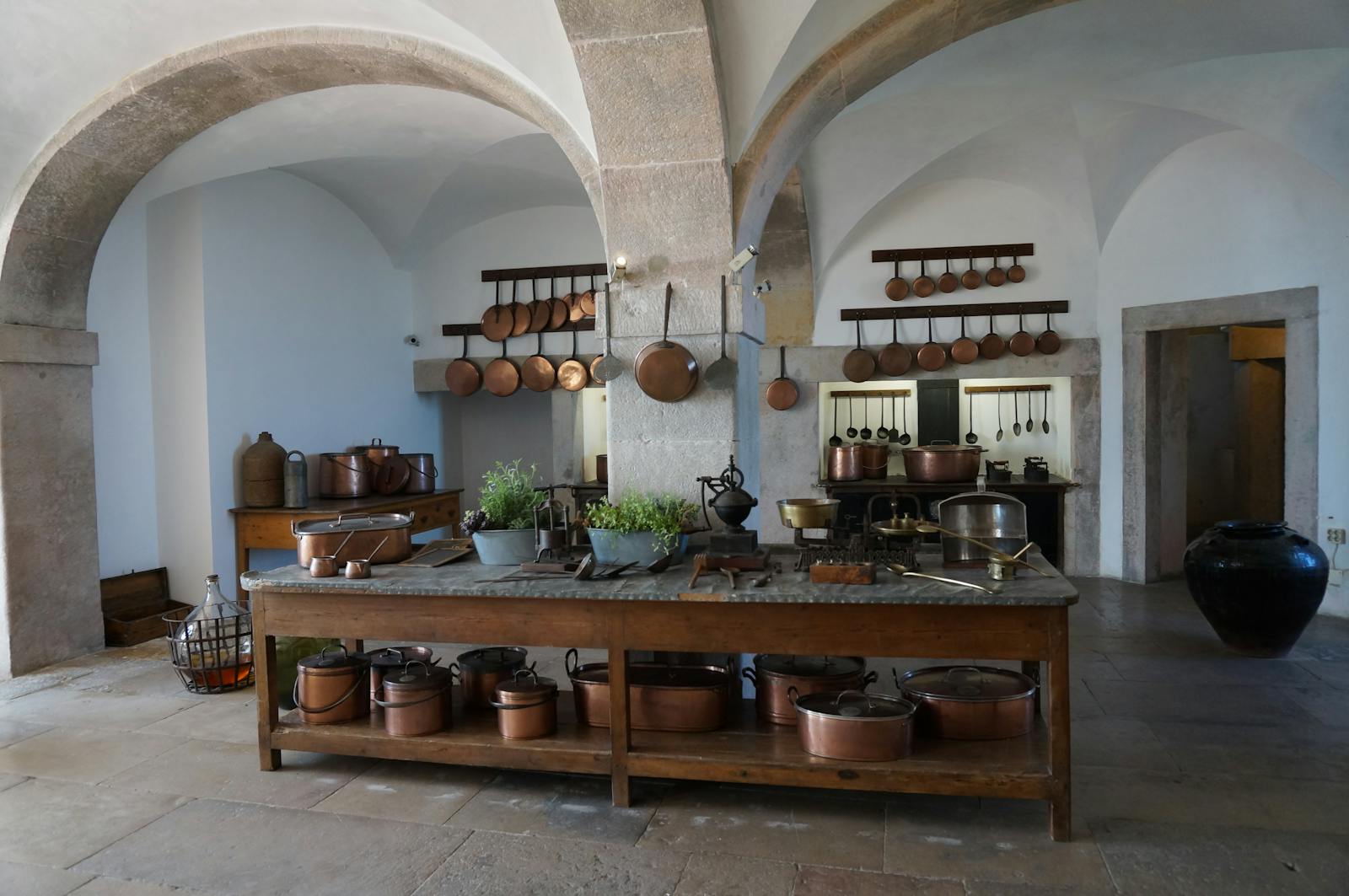
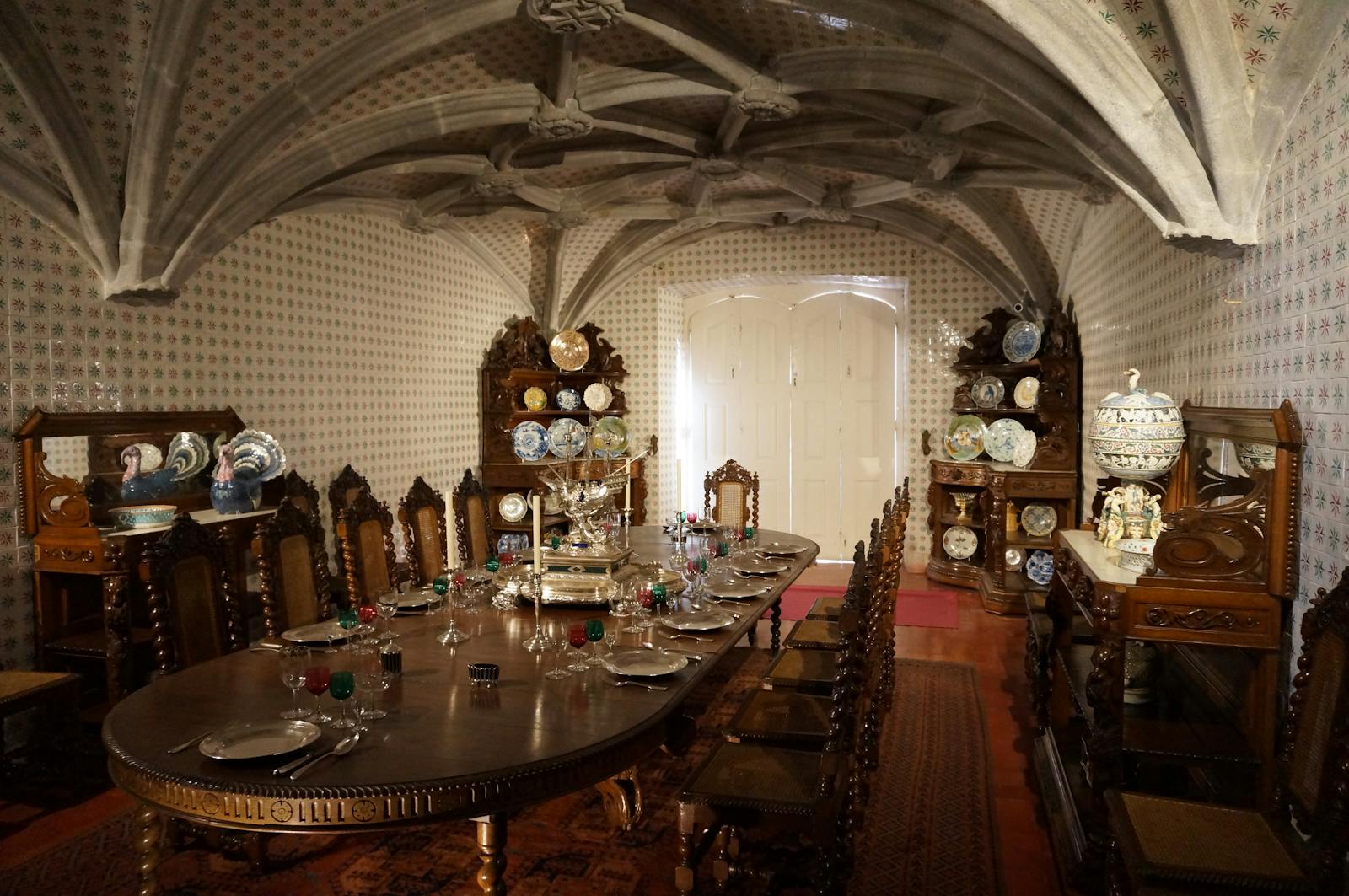
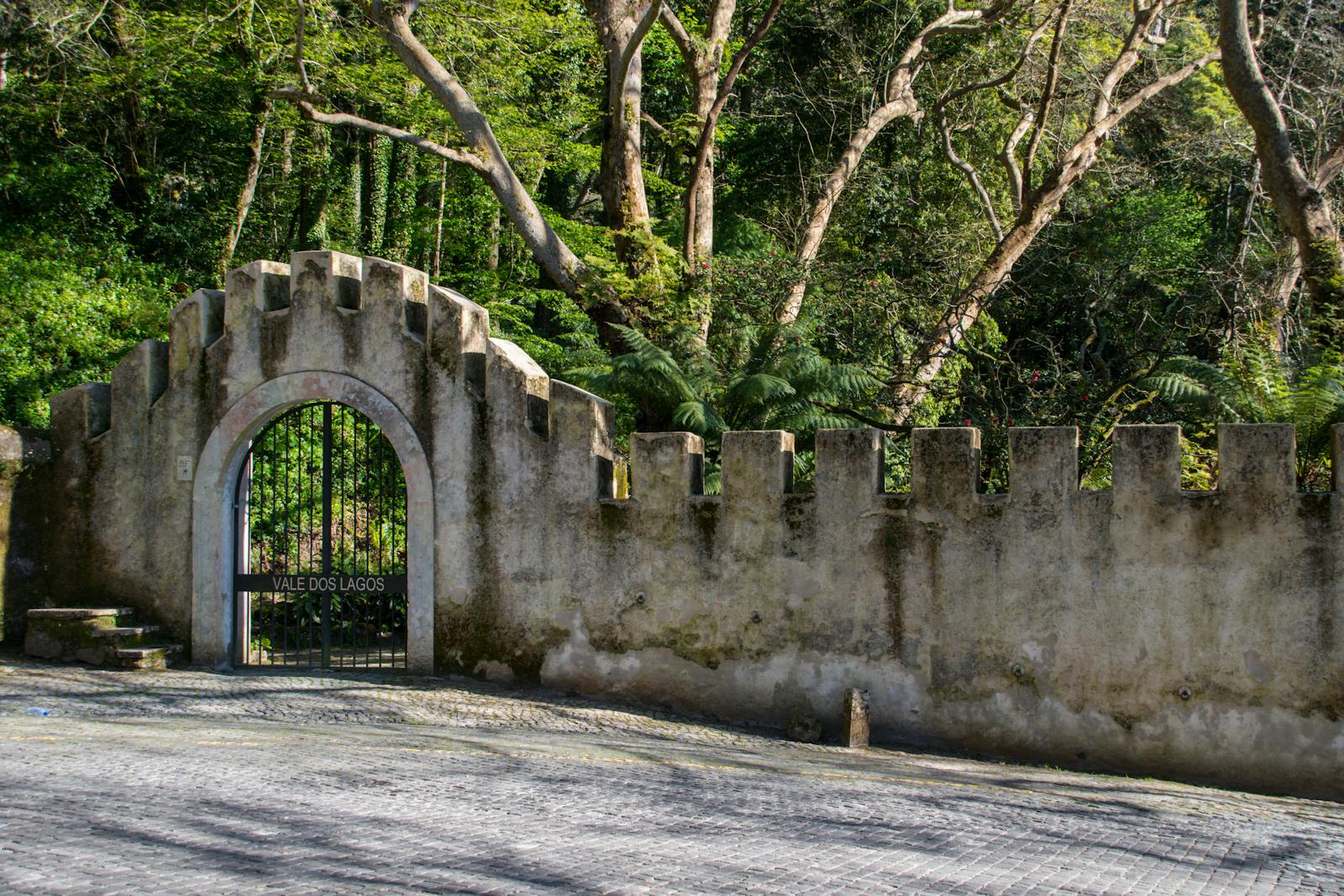
National Palace & Pena Park in pictures
See what to expect during your visit

National Palace & Pena Park vs other castles
Quick comparison with other major sites
| National Palace & Pena Park | Monserrate Palace | Regaleira Palace | |
|---|---|---|---|
| Year built | 1839 | 1856 | 1904 |
| Architectural style | Neo-Romantic / Moorish | Victorian / Indo-Portuguese | Manueline / Symbolist |
| Adult price | 12€ | 12€ | 12€ |
| Visit duration | 1h30 + park | 1h30 | 1h30 |
| Unique feature | Vivid red and yellow colors | Tropical botanical garden | Secret initiatory well |
Ready to book?
Choose your tickets online and check their conditions before booking.
Book my tickets